Dholera International Airport Explained: How It Will Transform Trade, Logistics and Connectivity
Efficient transportation infrastructure plays a crucial role in the development of industrial regions. While highways and railways support the movement of goods within the country, international airports help connect businesses with domestic and global markets through faster passenger and cargo services.
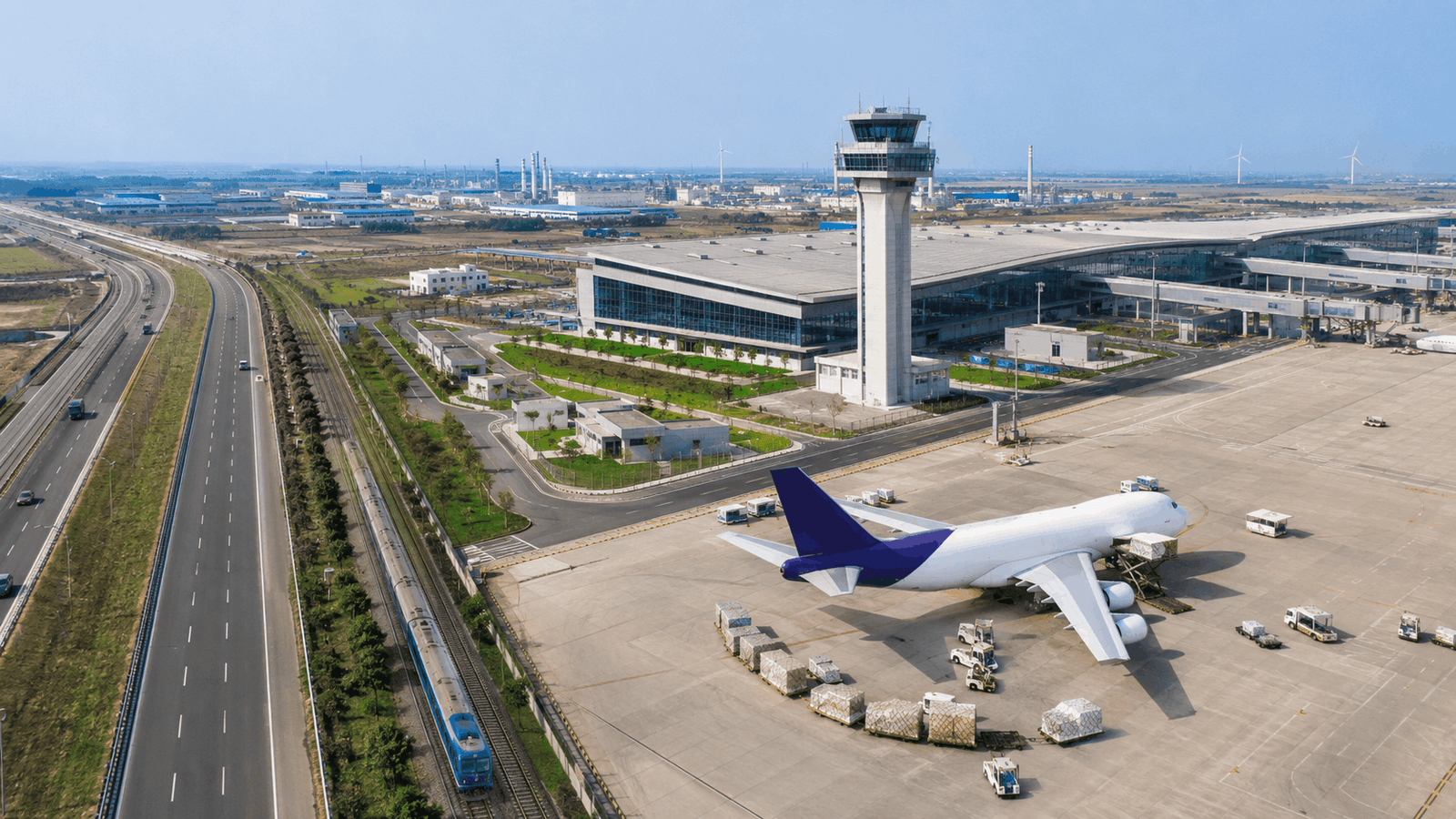
Dholera International Airport, currently under development in Gujarat, is one of the major infrastructure projects planned for the Dholera Special Investment Region (DSIR). The airport is expected to improve regional connectivity, support industrial growth, and strengthen logistics networks that serve manufacturing and export-oriented industries.
Along with projects such as the Ahmedabad–Dholera Expressway and the proposed Sarkhej–Dholera rail corridor, the airport forms part of Dholera's long-term transport infrastructure plan.
What Is Dholera International Airport?
Dholera International Airport is a greenfield airport being developed near Dholera in Gujarat. Unlike airports built by expanding existing facilities, a greenfield airport is constructed on a completely new site with modern infrastructure planned from the beginning.
The airport is designed to handle both passenger and cargo operations and is expected to support the industrial ecosystem developing within Dholera SIR. Its location also makes it strategically important for businesses involved in manufacturing, logistics, exports, and other industrial activities.
Why Is an International Airport Important for an Industrial Region?
Large industrial regions require efficient transportation systems to move people, equipment, raw materials, and finished products.
An international airport helps improve connectivity by reducing travel time, supporting air cargo movement, and providing faster access to national and international markets. It also enables businesses to connect more easily with suppliers, customers, and investors.
Many successful industrial hubs around the world combine airports, highways, rail networks, and logistics facilities to create integrated transportation systems that improve overall business efficiency.
How the Airport Can Transform Trade
Trade depends on reliable transportation infrastructure.
While ports continue to play an important role in bulk cargo movement, airports are essential for transporting high-value and time-sensitive products.
Examples include:
- Electronic components
- Semiconductor materials
- Medical equipment
- Aerospace components
- Precision engineering products
- High-value manufactured goods
Improved air connectivity can help businesses reduce delivery times and strengthen supply chain efficiency, particularly for industries that rely on quick transportation.
Strengthening Logistics and Supply Chains
Modern industries depend on efficient logistics to maintain production schedules.
An international airport can support supply chains by enabling:
- Faster movement of urgent shipments
- Improved inventory management
- Reduced transportation delays
- Better coordination with global suppliers
- Quicker delivery of replacement parts and specialised equipment
For manufacturing industries, efficient logistics can improve productivity and reduce operational disruptions.
Integration with Other Infrastructure Projects
One of the major advantages of Dholera's development strategy is the integration of multiple infrastructure projects.
The airport is expected to complement:
- Ahmedabad–Dholera Expressway
- Proposed Sarkhej–Dholera Rail Corridor
- Internal road network within Dholera SIR
- Planned industrial utility infrastructure
Together, these projects are intended to create a multimodal transportation network that supports industrial growth and improves regional connectivity.
To understand how these projects fit into the region's overall development, read our guide: What Is Dholera Smart City? Complete Guide to Infrastructure & Development
Industries That May Benefit
Several industries are expected to benefit from improved airport connectivity.
Semiconductor Manufacturing
Semiconductor production often involves transporting precision equipment, specialised materials, and high-value components. Better air connectivity can support these supply chains.
You can also read our detailed guide on Tata Semiconductor Plant in Dholera: What It Means for India's Future
Electronics Manufacturing
Electronic products frequently require fast transportation because of their high value and global distribution networks.
Aerospace
Aircraft manufacturing and maintenance activities rely on efficient logistics and timely movement of components.
Pharmaceuticals
Certain pharmaceutical products require controlled transportation and rapid delivery to domestic and international markets.
E-commerce and Logistics
Growing e-commerce operations depend on efficient cargo and distribution networks, where airports play an important role.
Advanced Manufacturing
Industries producing precision machinery and industrial equipment can benefit from improved domestic and international connectivity.
Why Better Connectivity Matters for Business
Businesses consider transportation infrastructure as one of the key factors before making investment decisions.
Better connectivity can help by:
- Improving access to markets
- Reducing logistics costs
- Supporting exports
- Making business travel easier
- Strengthening supply chain resilience
- Attracting long-term industrial investment
These advantages contribute to creating a more competitive business environment.
Economic Impact Beyond Aviation
The benefits of an international airport extend beyond passenger travel.
Airport infrastructure often supports the growth of related sectors such as:
- Warehousing
- Cargo handling
- Freight forwarding
- Hospitality
- Business parks
- Maintenance services
- Transport companies
Over time, these supporting industries can contribute to regional employment and economic activity.
Current Development Status
According to Union Civil Aviation Minister Ram Mohan Naidu, construction of Dholera International Airport has reached around 80% completion. The Centre is targeting to make the airport operational by September–October 2026, subject to approvals from the Directorate General of Civil Aviation (DGCA).
Once operational, the airport is expected to become an important part of the transport infrastructure supporting Dholera SIR and the surrounding industrial region.
Frequently Asked Questions (FAQs)
Where is Dholera International Airport located?
The airport is being developed near Dholera in Gujarat as part of the Dholera Special Investment Region (DSIR).
Why is Dholera International Airport important?
It is expected to improve passenger travel, cargo transportation, industrial logistics, and regional connectivity while supporting long-term industrial development.
Will the airport handle cargo operations?
Yes. The airport is planned to support both passenger and cargo services.
Which industries are expected to benefit?
Industries such as semiconductor manufacturing, electronics, aerospace, logistics, pharmaceuticals, and advanced manufacturing are expected to benefit from improved connectivity.
How is the airport connected to other infrastructure projects?
The airport is planned alongside major projects such as the Ahmedabad–Dholera Expressway and the proposed Sarkhej–Dholera rail corridor, creating an integrated transport network.
When is Dholera International Airport expected to become operational?
According to the Union Civil Aviation Minister, the Centre is targeting operationalisation by September–October 2026, subject to DGCA approvals.
Conclusion
Dholera International Airport is expected to become an important component of Gujarat's transport infrastructure by supporting passenger travel, cargo movement, and industrial logistics. As part of the broader development of Dholera SIR, the airport is planned to work alongside expressways, rail connectivity, and industrial infrastructure to improve regional accessibility and support future economic growth.
While the project is still under development, it represents a significant step toward strengthening connectivity for businesses, manufacturers, and investors looking at long-term opportunities in the region.